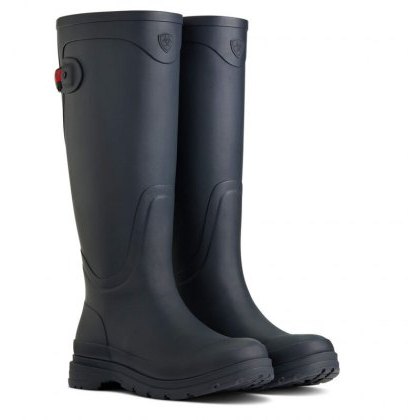
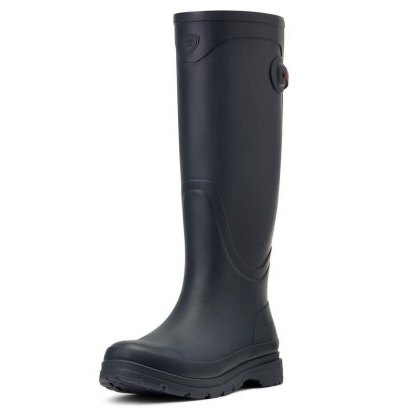
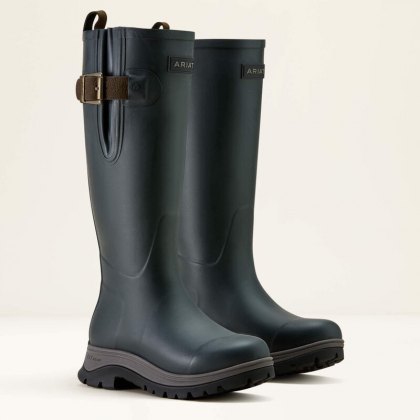
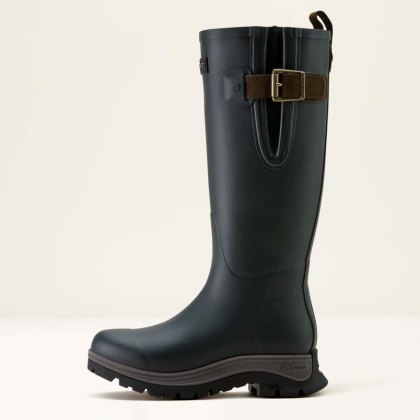
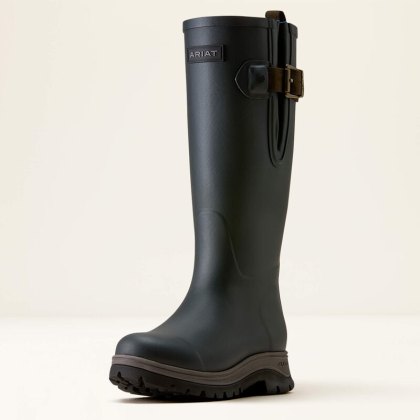
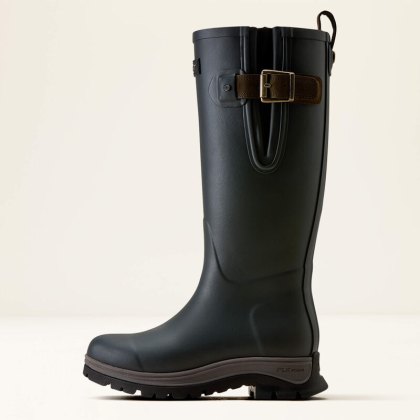
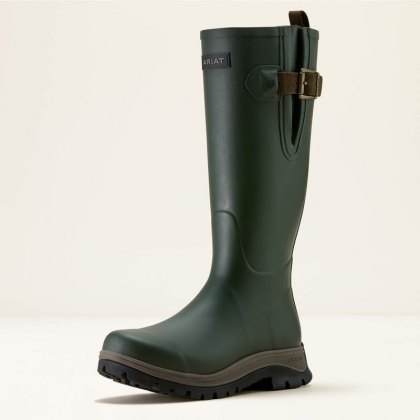
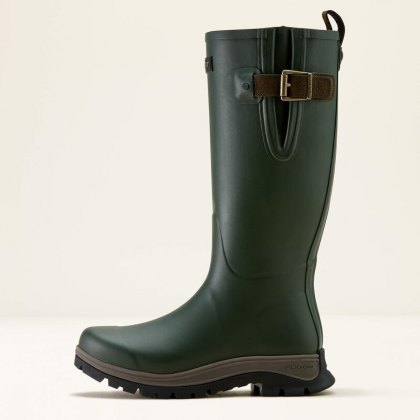
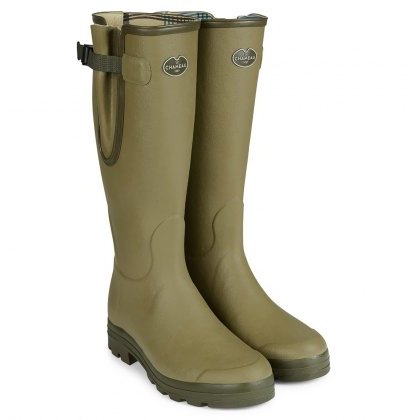
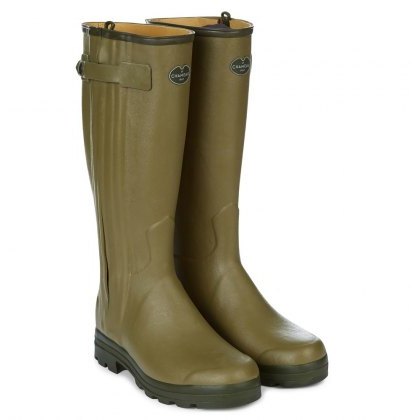
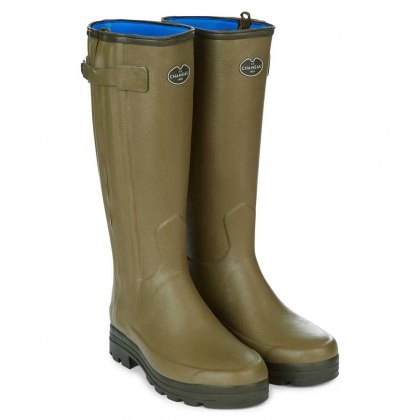
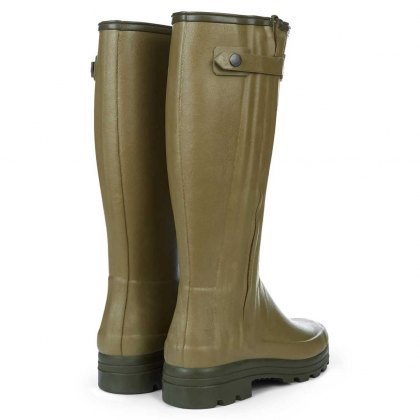
How To Choose Your Wellies
Wellington boots are essential for country life and a true staple of the winter wardrobe. When the fields are muddy or the snow has fallen, there is nothing better to have on your feet. They’ll keep your feet clean, warm and dry while you’re busy enjoying the great outdoors. Choosing the perfect pair of wellies will help you make the best of the British weather and our handy guide will help find the right pair for you.
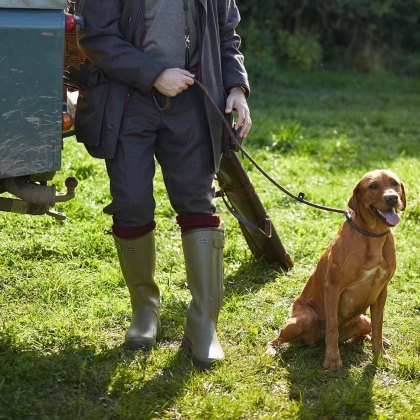
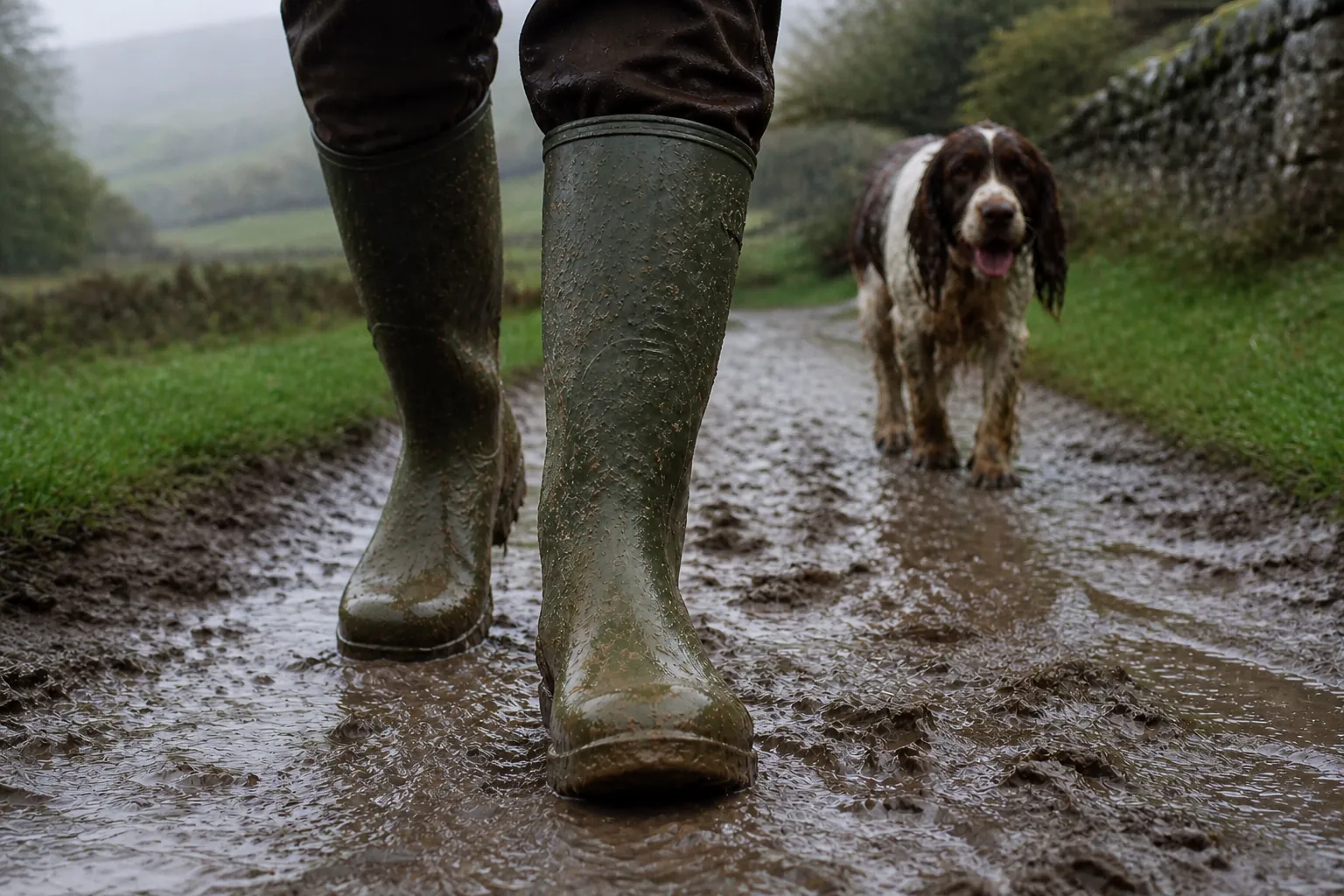
The first thing to think about is how you will be using your wellies. What type of environment will you be wearing them in? What activities will you be undertaking? Whether it’s gardening, riding or just walking the dog, we have a wide range of wellington boots to ensure you get the right fit, comfort and performance.
They’ve had lots of names over the years, including wellingtons, gumboots, galoshes and rain boots, but one thing remains the same: the wellington boot is an essential part of country living and still a firm favourite in the hunting and shooting scene.
The History of the Wellington Boot
The infamous wellington boot has been a part of our history since the 19th century. In fact, the first pair of rubber boots were made by French footwear and textile company Aigle in 1853. Arthur Wellesley, the Duke of Wellington, was the first public figure to popularise wellies, making them popular with British aristocracy for hunting and shooting.
During the world wars, rubber boots were supplied to soldiers thanks to their resilience to boggy fields and muddy puddles. By 1946, the Wellington boot had become popular among families and these days are worn by boys and girls of all ages.
How to look after your wellington boots
When you wash them, just use water rather than any cleaning liquid, removing any manure, mud or dirt away with a soft-bristled scrubbing brush or an old tooth brush. Rubber is a natural product and will degrade if it is not protected so make sure you don’t leave them stored in direct sunlight or near a radiator.
Wellies should always be air-dried in a well-ventilated area, hung by the heel so that they dry out effectively. Never dry wellies by putting them in direct sunlight as it can damage the rubber and cause the colour to fade.
How to get the right size and fit for wellies
Wellington boot sizes are the same as regular footwear sizes but make sure you know your calf size before you buy; wellington boots should be tight enough to prevent your feet slipping out, but also loose enough to accommodate thick socks, without pinching any part of your legs or feet. If you’re planning to wear several pairs of thick socks for extra warmth in snowy conditions, it may be sensible to get the next size up.
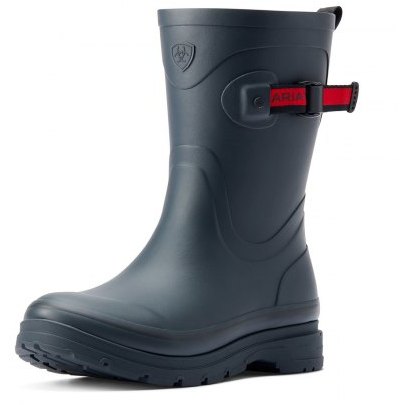
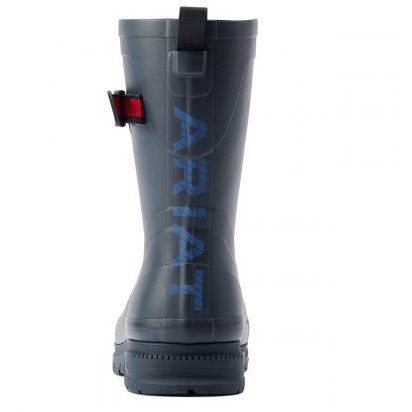
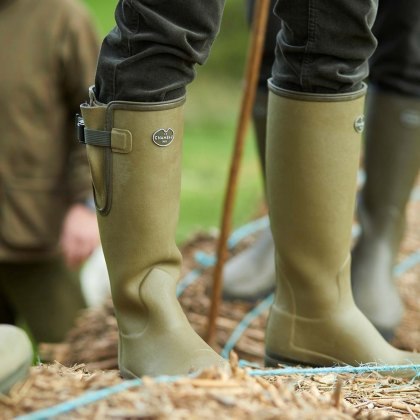
Wellies usually come to just below the knee, offering excellent protection against splashes of mud and water up the leg. There are also ankle-length wellies available too.