Snaffles & Training Bits
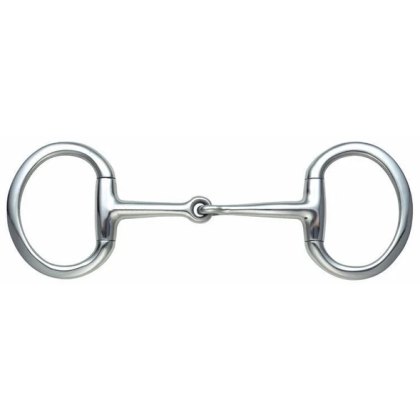
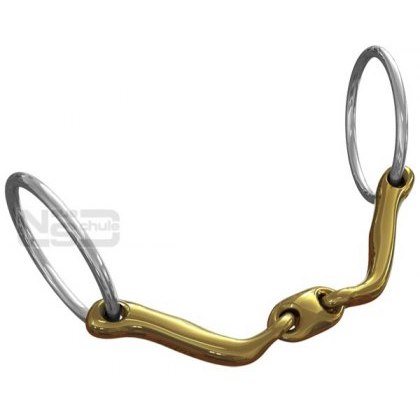
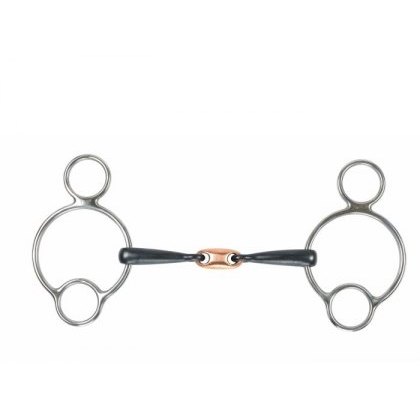
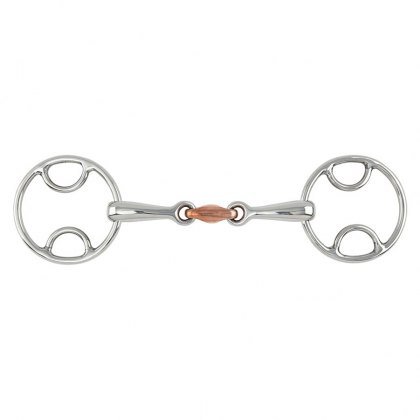
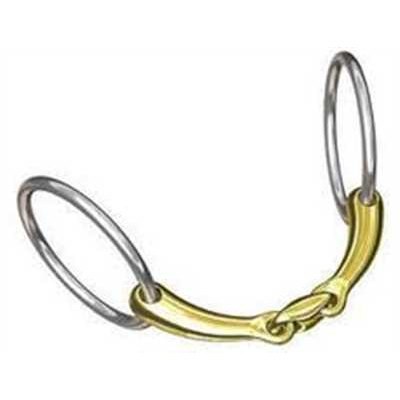
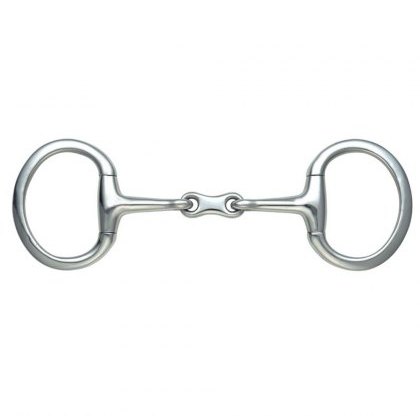
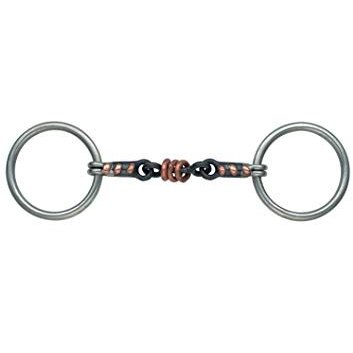
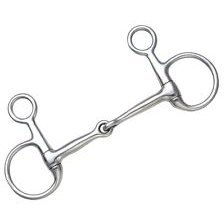
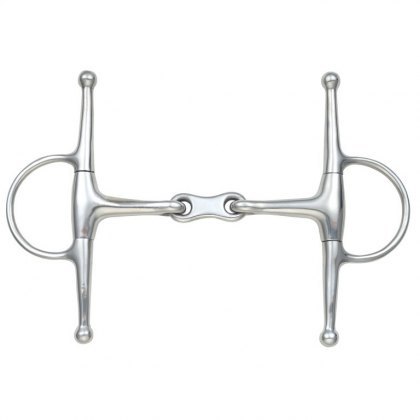
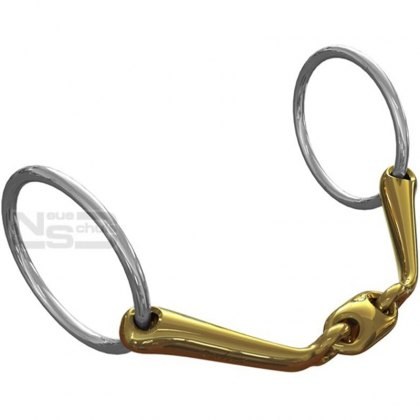
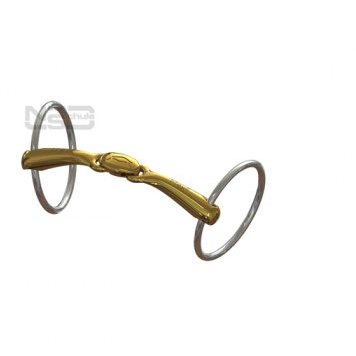
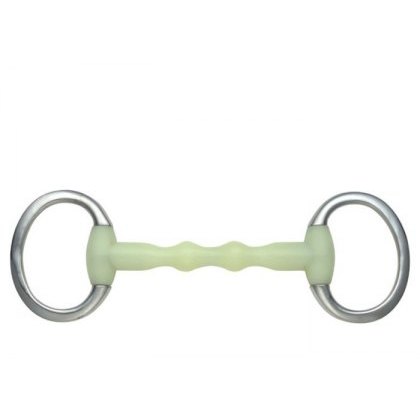
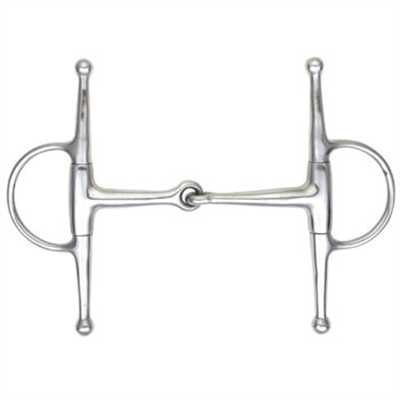
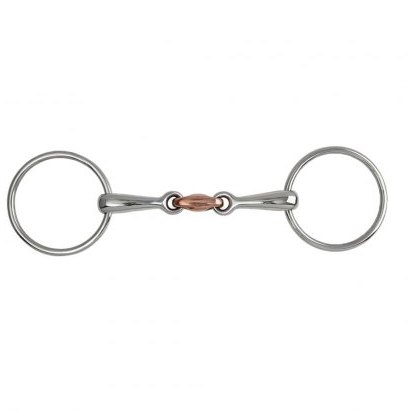
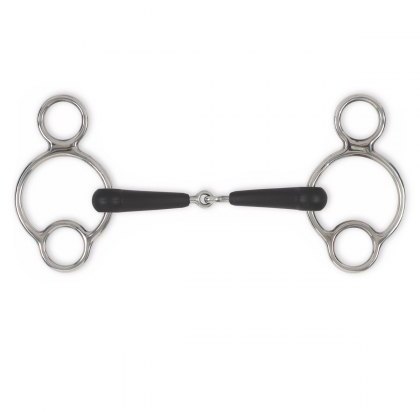
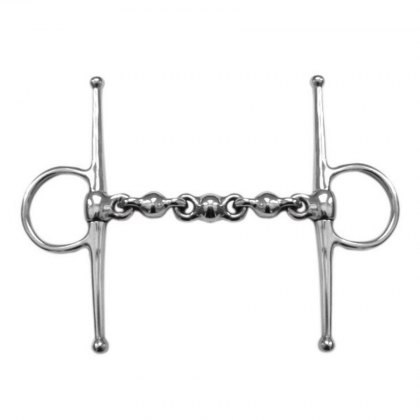
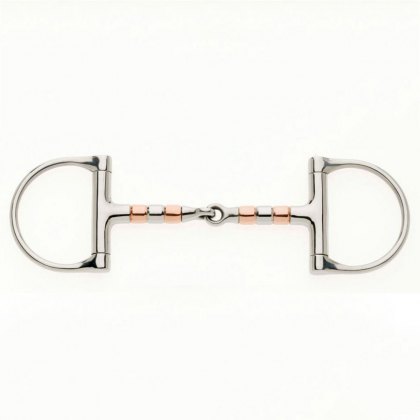
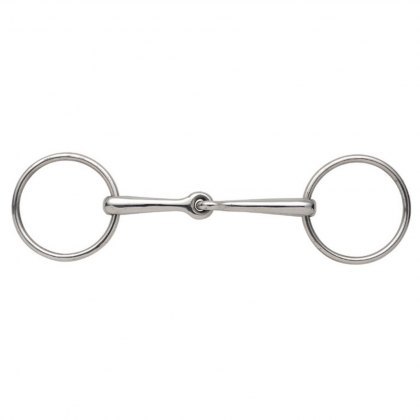
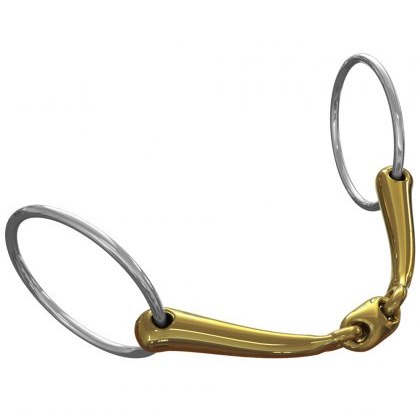
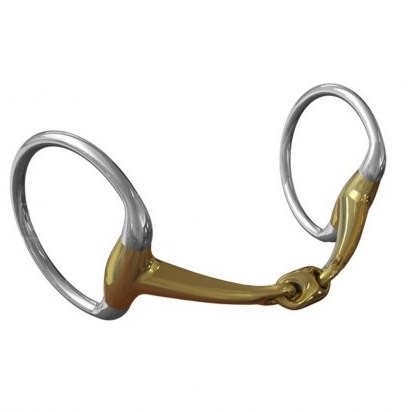
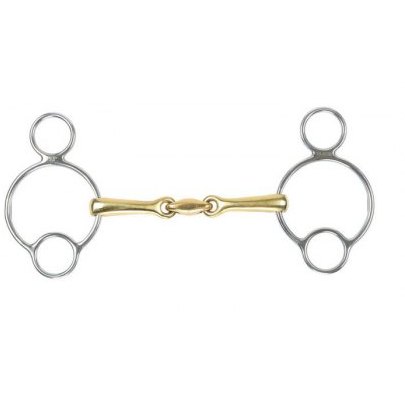
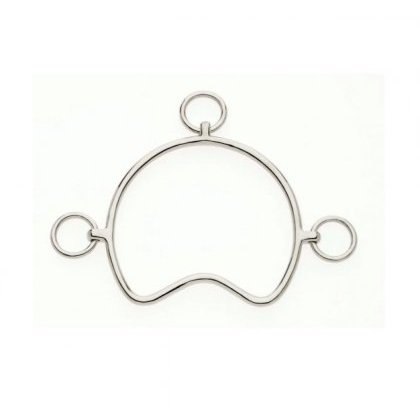
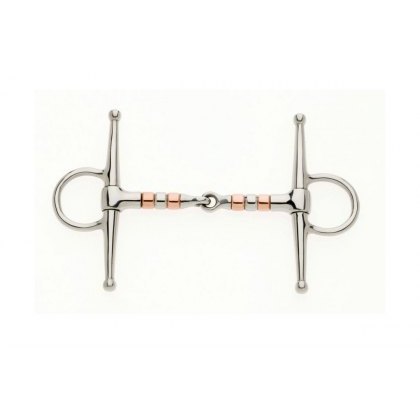
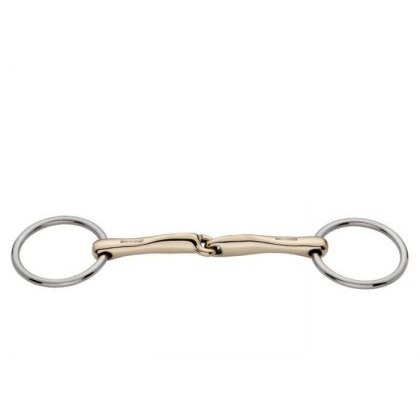
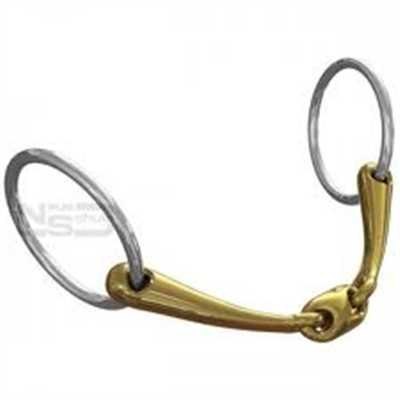
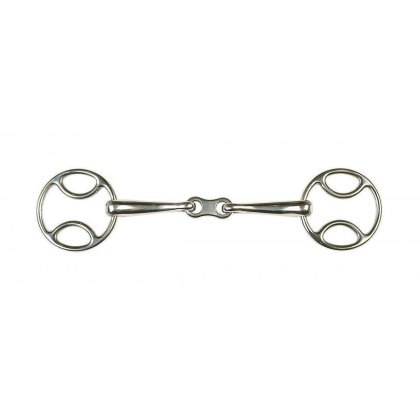
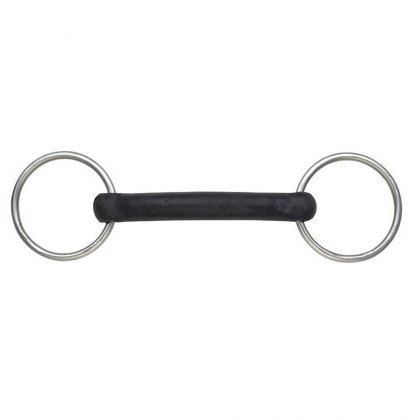
A snaffle bit is where most horses and ponies start, and it's the bit most riders use every day. Our snaffle and training bits come from Neue Schule, Sprenger and Shires, with loose ring, eggbutt, D-ring, full cheek and hanging cheek styles and jointed, French link and lozenge mouthpieces, in pony and horse sizes.
View all Snaffles & Training Bits

 Grid

 List
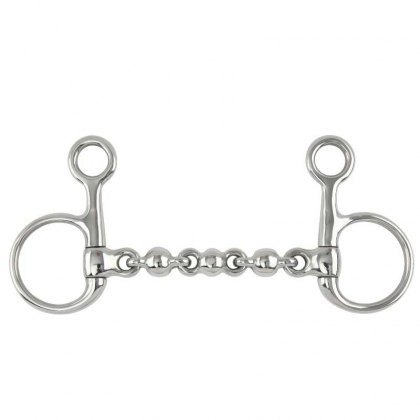
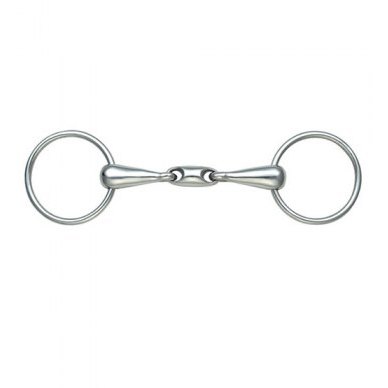
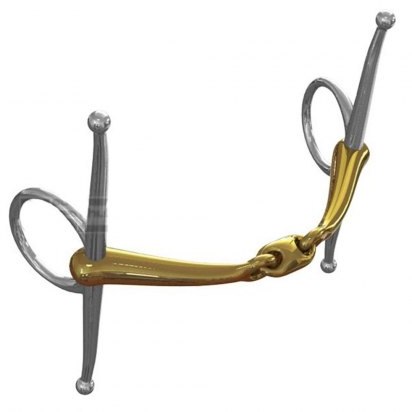
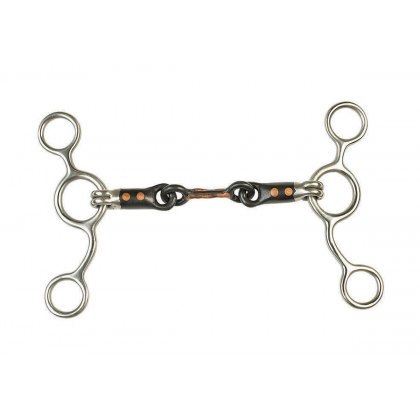
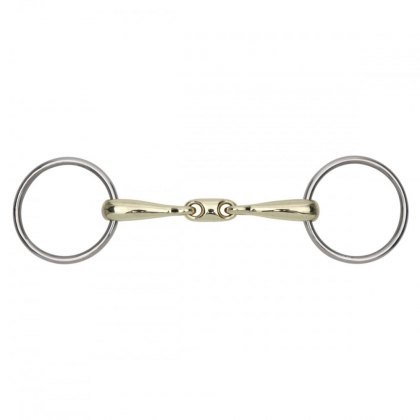
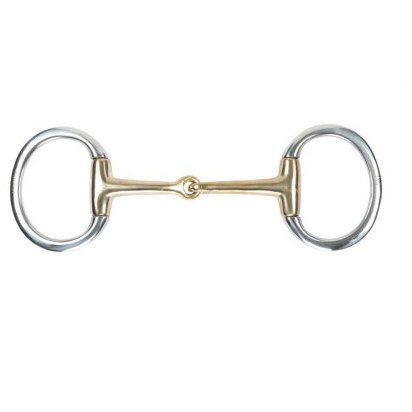
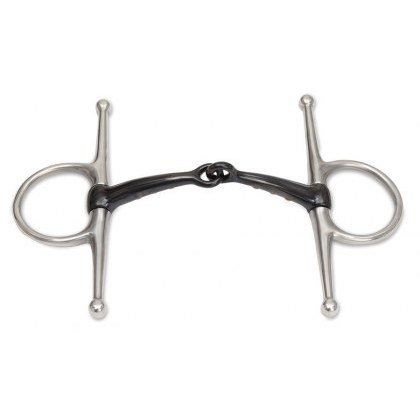
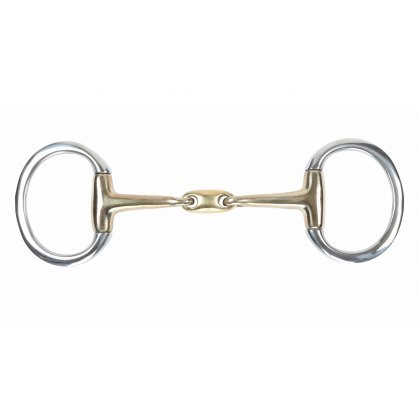
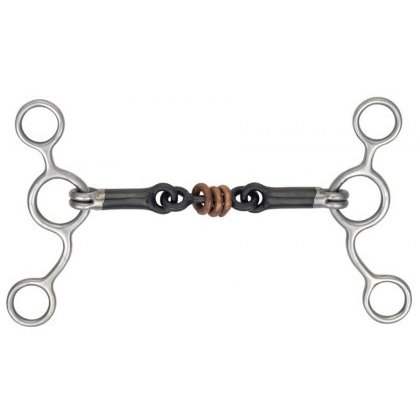
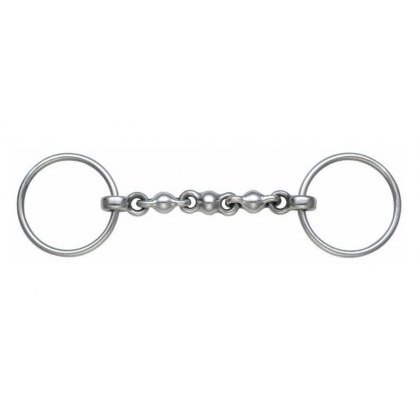
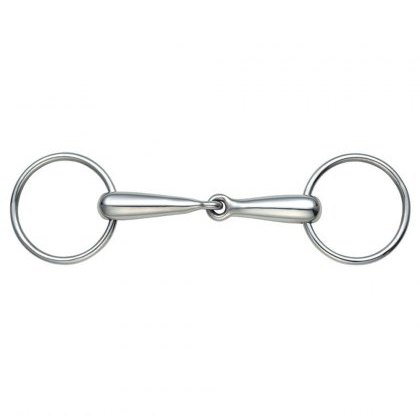
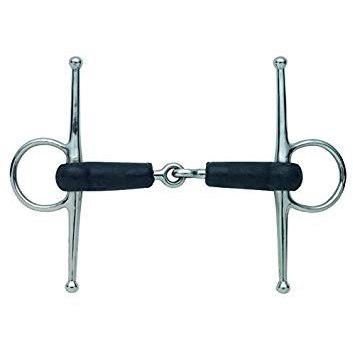
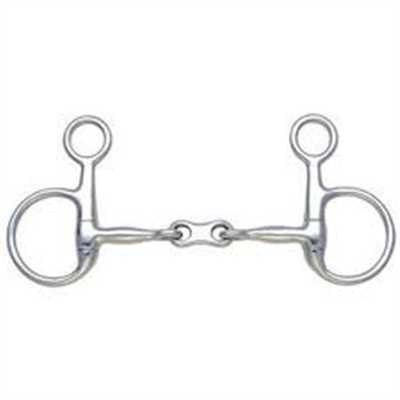
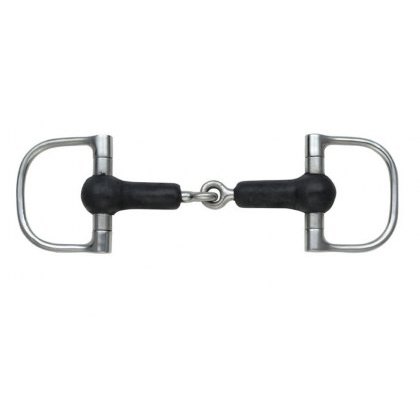
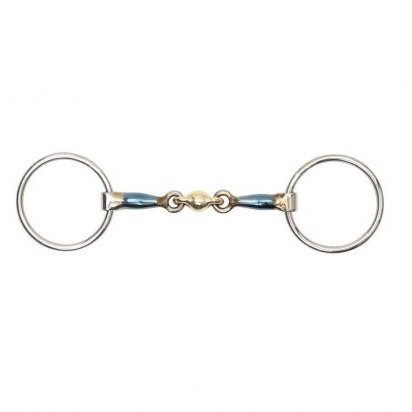
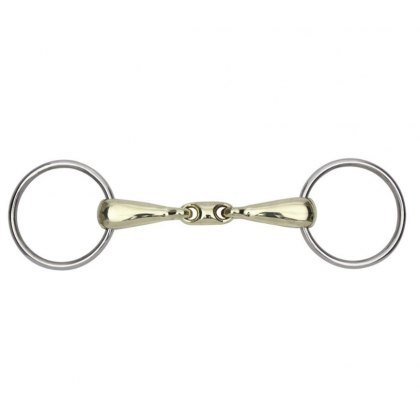
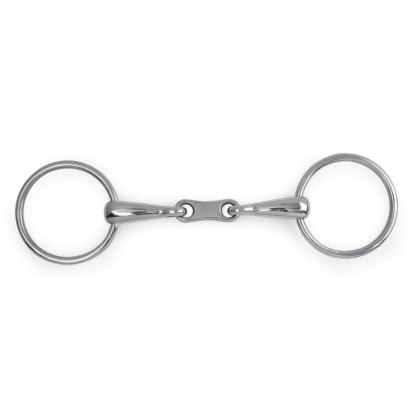
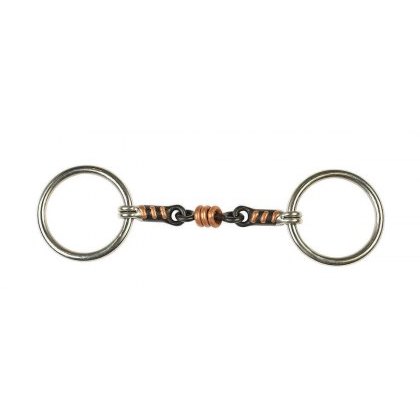
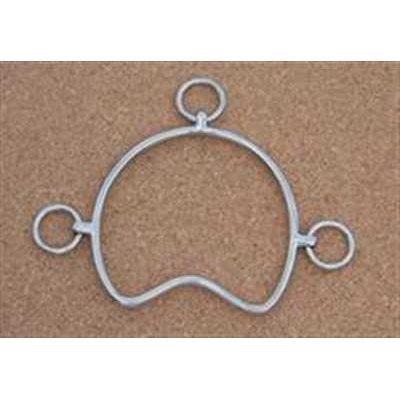
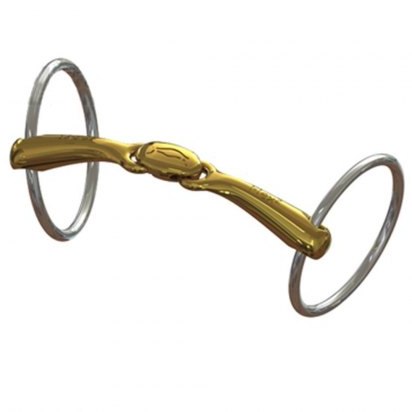
Snaffles & Training
What should I know about snaffle bits?
How a snaffle works
A snaffle acts directly: when you take a contact, the pressure goes straight to the corners of the mouth, the tongue and the bars, with no leverage or curb chain. That makes it the mildest family of bits and the usual choice for young horses, schooling and everyday riding.
Choosing the cheekpiece
Loose ring snaffles move freely and encourage a soft, mobile mouth, but can pinch if the holes wear, so check them regularly. Eggbutt and D-ring snaffles are fixed, so the bit sits still in the mouth and won't pinch. Full cheek snaffles help with steering and are a good choice for youngsters, and hanging cheek snaffles hold the mouthpiece steady.
Choosing the mouthpiece
A single-jointed snaffle is the traditional design. A French link adds a flat centre plate, and a lozenge adds a rounded one, which many horses find more comfortable. Our training bits with a lozenge, from Shires and Neue Schule, are a popular first bit for young horses.
Bit materials
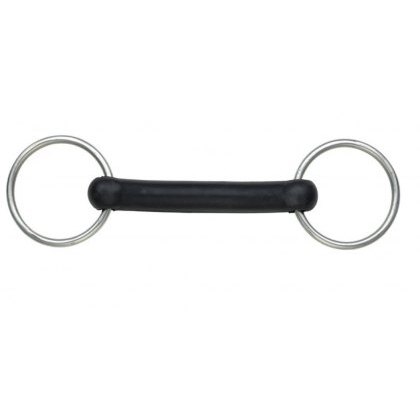
Sweet iron, copper and brass alloy mouthpieces have a warmer taste than stainless steel and encourage the horse to salivate and accept the bit. Rubber and flexible mouthpieces are softer still, for sensitive mouths.
Snaffle Bit FAQs
What is a snaffle bit?
A snaffle is a bit that works with direct pressure and no leverage. The rein attaches to a ring or cheek level with the mouthpiece, so a light contact on the rein gives the same light pressure in the mouth.
How do I measure my horse for a snaffle bit?
Measure the width of the mouthpiece between the rings or cheeks, either from your current bit or with a bit measure across the horse's mouth. Most ponies take 4.5 to 5 inches and most horses 5.5 to 6 inches, but measure rather than guess. A well-fitted snaffle shows about 0.5cm of mouthpiece on each side.
What's the difference between a loose ring and an eggbutt snaffle?
A loose ring slides through the mouthpiece, so the bit moves more and encourages the horse to mouth it. An eggbutt has fixed, barrel-shaped joints, so the bit stays still and can't pinch the lips.
Which snaffle is best for a young horse?
A mild, stable bit is the usual starting point, such as a full cheek or eggbutt with a lozenge or French link mouthpiece. If you're not sure, ask us or a qualified bit fitter before you buy.